
It’s relatively simple to take photos on a phone, but with a digital camera it’s a whole different ball game. Photography is a skill that requires specific technical abilities that take practice and time to get good at. There are lots of elements to remember and be intentional about, leaving lots of room for error. So getting good photos isn’t straightforward for rookie photographers, but the process of learning how to fairly is.
The process of getting good photos starts with mastering the basics, which serve as a guiding hand for all the aspects of photography. Once you learn and master the basics, your photos will reflect that in a positive way. So here are the basic things you should learn, practice, and master.
Learn which settings matter
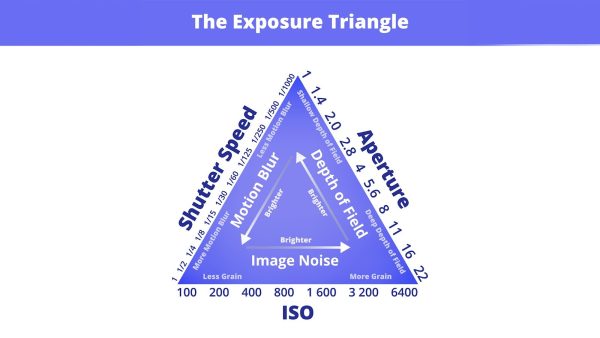
ISO, shutter speed, and aperture are the three camera settings you should engrave in your mind. Everything revolves around those three settings. Little tweaks to each one affect the quality of every one of your photos.
A high shutter speed leads to a greater ability to capture movement, but in darker places where natural light isn’t as present, it darkens your photos. A high ISO leads to brighter photos, but the higher it is, the more grainier looking it becomes. A high aperture leads to a higher depth of field, but it lets less light in, which darkens your image. A low shutter speed leads to brighter photos, but it weakens the ability to capture movement. A low ISO leads to darker photos but doesn’t leave them grainy looking. A low aperture leads to a lower depth of field which blurs the background of your subject, but photos come out brighter. It’s important to note that in order for your photos to come out well, you have to combine these settings together to adapt to your surroundings and the type of event you’re shooting.
(Getty Images)
Make sure your subject is in frame
One of the most important parts of photography is making sure the subject you’re capturing is in frame. Photos can be good, bad, horrid or extraordinary based on the framing of them. So, by any means necessary, you want to ensure that your subject is in frame. That could be as simple as just getting as close as possible. Whether that means zooming in with your lens or physically moving closer, do what is needed for that specific shot.
Photos can tell stories on their own, but framing shapes its narrative. So the more intentional your framing is, the better it will come out. Think of it as a method of crafting the perfect way to highlight the main elements within your photos.
Pay attention to the lighting around you
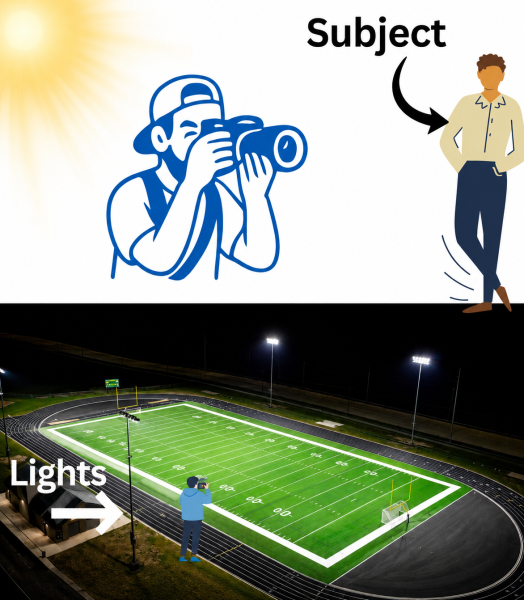
Lighting can be a tool or a foe depending on how, when and to what degree it’s utilized. Always be aware of how the setting you’re in is lit because it dictates how your photos will come out.
For example, if you’re shooting outside on a sunny day, you want to shoot with the sun on your back so that it avoids harsh shadows and gets the most out of the natural light. If you’re shooting at night for an outside sports game, you want to look around and determine if the field is well lit. If not, you want to stand pretty close to the lights they have on the field to ensure your photos are properly lit and not too dark. Light volume varies from place to place, so always be aware of how it’s lit and where it’s the brightest. So your photos can get the light they need to be great shots.
Always take more photos than you think you’ll need
It is much better to overshoot than undershoot. The more photos you can take leads to a higher chance of getting the perfect shot. If you don’t take many photos, you end up with fewer top-notch shots. Especially if you’re shooting sports events or anything with lots of movement. The more difficult the shooting scenario is, the more photos it will take to get the best shots. So, shooting in large amounts in general, helps you get better shots.
Backup your photos as soon as possible
SD cards aren’t a 100% safe place to store your photos, they can become corrupt, be lost, be accidently deleted or just stop working right at any given moment. It’s extremely vital to always back up your photos as soon as possible after you shoot, to prevent the potential loss of your photos.

Find Balance between manual settings and auto settings
As a photographer, learning how to utilize manual settings with auto settings to adapt to different shooting situations is very important. It’s a way of making the process of taking photos easier for you, but also better looking. While shooting 100% in any mode limits the full flexibility of your shots, fluidly intertwining them to fit your specific shot or scene can be a tool.
Especially when:
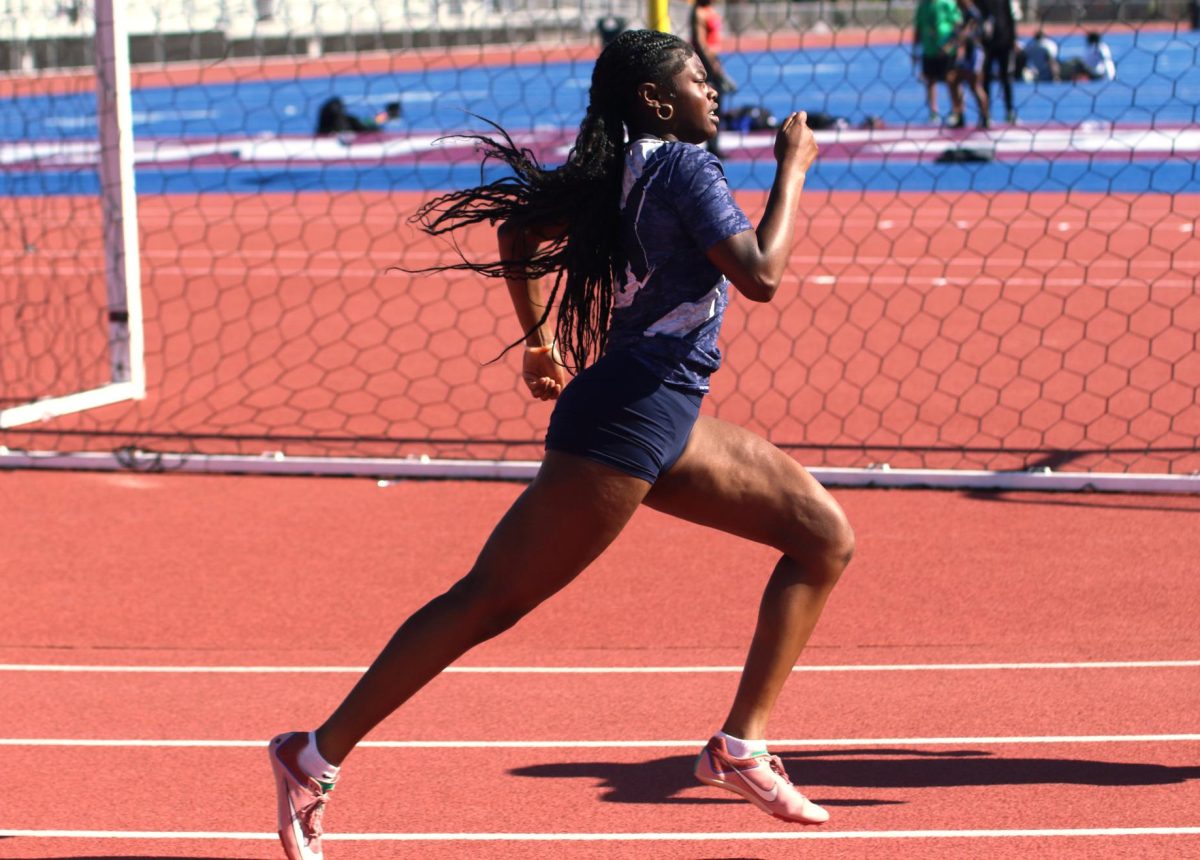
- Shooting something with lots of motion like sports, while in manual mode, using auto focus increases the chance of capturing a shot of your subject in focus.
- Shooting during the day with lots of natural light, auto ISO allows the camera to handle brightness while you have full control over shutter speed and aperture—in manual mode. Which gives you complete creative freedom in those conditions.
- Shooting in any circumstance while in manual mode, using auto white balance adjusts the color to adapt to each individual scene. Which gives your photos a neutral/natural look.Canon EOS 7D Mark ll, F4.0, 1/3000s, 70mm, ISO 250
Move around
It’s easy to get anchored to one spot while shooting, but you shouldn’t be rooted in one place, it limits the variety of shots and angles you can get. And not every photo can be captured perfectly from one angle. Sometimes it takes 3–5 to get the best shot possible. Moving around diversifies your shots and gives opportunities to capture more multifarious photos.
Stay focused
If you want your photos to come out well, you have to be fully concentrated while shooting. Every shot requires a certain level of detail in order to capture it in the best way possible. One lapse in focus can be the difference between getting great pictures or bad ones.
Think of photography as watching a sports game. Take your eyes off it for a few seconds or minutes, you could miss a big play. Every second that passes by is an opportunity to capture something. Being in the zone is essential to the process of photography. If you’re not locked in, your photos will reflect that. A great photographer captures moments from angles that the general eye misses. They do that by staying 100% focused on what’s going on around them.

Practice Practice Practice Practice Practice
You can’t get better at anything in life without practice, photography is no different. The more you photograph and use a camera, the more comfortable and better you will become. Every amazing photographer started as a beginner and put the work in to learn and get better. The outcome of the photos you take, are a reflection of the amount of time you took to learn and practice your skills.
Have fun
Photography is supposed to be fun. If you aren’t having fun while taking photos, photography might not be for you. Photography talent comes from people genuinely passionate in what they do. They enjoy the process which leads to better photos.
A big part of photography is being fully comfortable with it as a whole. In order to be comfortable, you have to genuinely enjoy the process of taking photos. Once you enjoy it, it becomes easier, you become more relaxed, and your photos positively reflect that.