














Imagine waking up on a spaceship with no idea how you got there or who you are, then realizing you’re humanity’s only hope for saving planet Earth. The film Project Hail Mary (2026), directed by Phil Lord and Christopher Miller follows that exact premise. It was one of the most anticipated sci-fi films of 2026, released in theaters on March 20, 2026, with a runtime of two hours and 36 minutes.
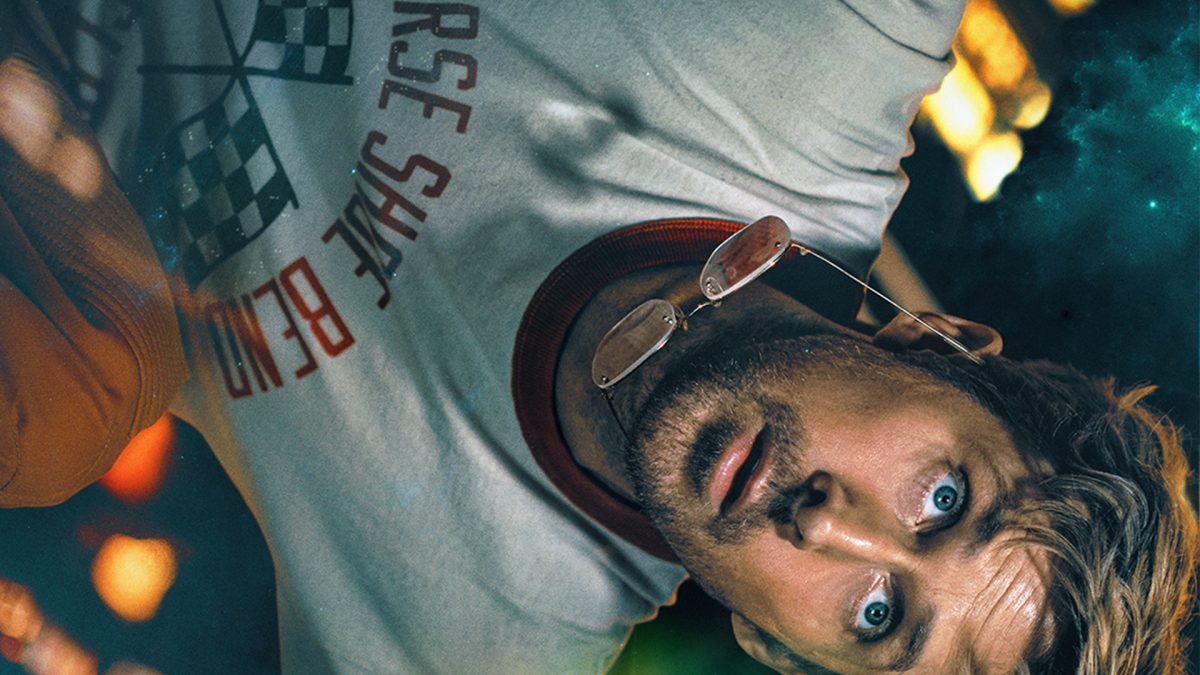
Based on Andy Weir’s bestselling novel Project Hail Mary, the story begins with the main character, Ryland Grace (played by Ryan Gosling), waking up from a coma in a spacecraft, the “Hail Mary,” with no memory of how he got there or who he is. Throughout the movie, he regains his memory and realizes he is on a mission to save Earth from a substance that will destroy the sun. Despite its long runtime, Project Hail Mary is actually very fast-paced and entertaining. The film switches back and forth from Ryland’s memories to his present mission, so the full story gradually comes into focus, which I think they did a nice job balancing. There are many comedic moments and heavier emotional scenes in the film that Ryan Gosling performed in really well. His character is very likable and easy to empathize with.
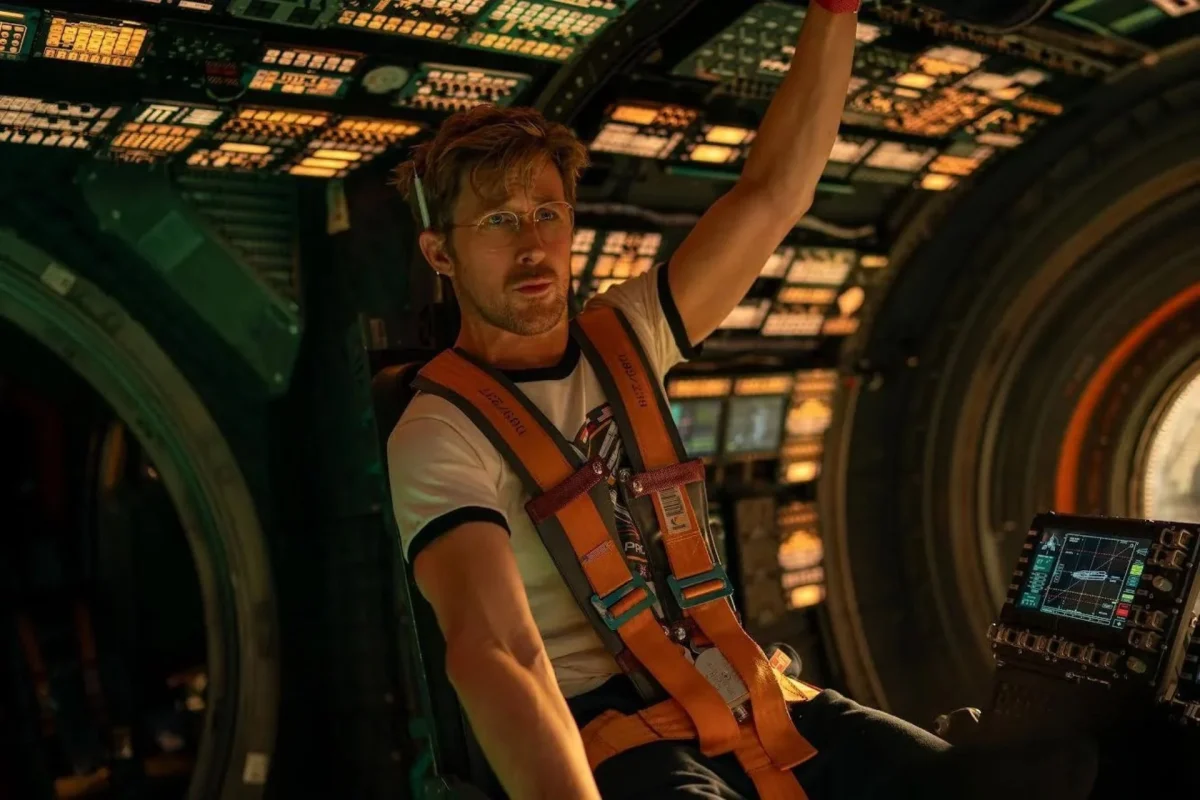
Project Hail Mary was very visually pleasing, with very interesting and high-res depictions of space. Cinematographer Greig Fraser, known for Let Me In (2010), Zero Dark Thirty (2012), Dune (2021), and Dune: Part Two (2024), does a nice job in Project Hail Mary by using unique techniques like letting shots linger on reflective surfaces like mirrors and windows for a heightened emotional effect. He also uses a brighter and softer visual style for Ryland’s memories and a darker style for his present that feels more dangerous. The more action-oriented scenes use quick cuts, dynamic movement, and bright colors. I especially liked the depiction of the “Hail Mary,” with it being very interesting and nice to look at. It was a fully built 360-degree set for the film that used practical lighting and black backgrounds. I appreciate that the film relied heavily on practical sets, which made it feel realistic and not artificial like green or blue screen sets do at times.
The film’s original score was by Daniel Pemberton, known for Spider-Man: Into the Spider-Verse (2018) and Spider-Man: Across the Spider-Verse (2023). It fit the atmosphere of being alone in space at times and also worked well in suspenseful and tense moments with unique instruments like the glass armonica and crystal organ. There were some moments where there was no sound at all, so you could really focus on the cinematography and feel Ryland’s loneliness in space. The film also used some licensed music on the soundtrack, including “Two of Us” by The Beatles and “Sign Of The Times” by Harry Styles, that subtly helped build the story.
The screenplay, written by Drew Goddard, also known for The Martian (2015), was thoughtful and impressive. One central question the film leaves viewers with is: “Is it worth sacrificing yourself to save something for the greater good?” This is an idea I’ve never really thought about before watching the film. The movie explores the idea through different themes such as unlikely friendship and loyalty. It also made me think about how people often can’t survive on intelligence alone but have to learn to be empathetic with others and see from different perspectives. Many of the emotionally heavy scenes have to do with these ideas.
Project Hail Mary is a 9/10 for me. Though I don’t usually go for sci-fi films, everything, from the plot, cinematography, score, and broader themes, worked well together to create an emotional and entertaining cinematic experience. The only reason why it’s not a 10/10 is because some of the sci-fi aspects were introduced quickly and are a lot to keep track of for someone who’s unfamiliar with the story. Still, it was a great film, and you should go see it.

Gavin Abrera • Apr 20, 2026 at 1:42 pm
da bombbb