
















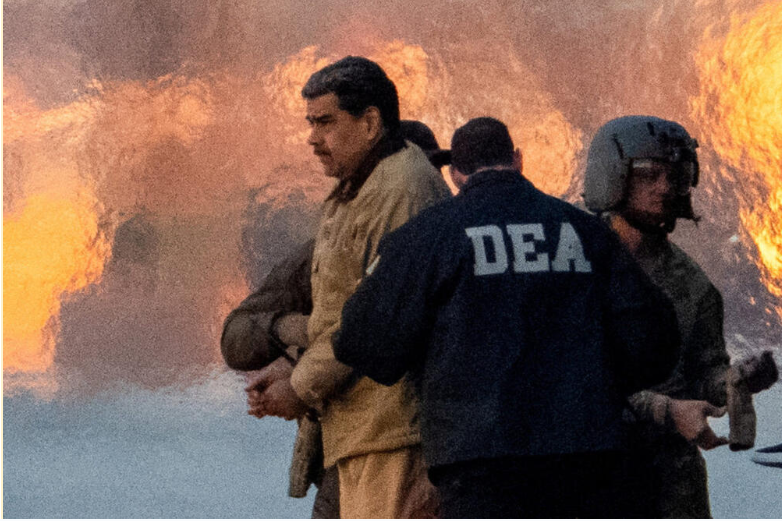
It was 7:46 pm Jan. 2, 2026, when U.S. president Donald Trump ordered his military to carry out “Operation Absolute Resolve,” a plan to capture the Venezuelan president, Nicolás Maduro, and the first lady, Cilia Flores.
In the raid, 24 Venezuelan security officers and 32 members of Cuban military and intelligence agencies were killed; no U.S. military members were lost.
Background
For a long time, critics both in Venezuela and internationally have held Maduro and his party responsible for the country’s economic collapse which resulted in hyperinflation, shortages of food and medicine, and a GDP contraction.
Tensions between the U.S. and Venezuela started in 1998, but worsened in 2020 when the U.S. accused Maduro of partnering with Cartel of the Suns, an alleged criminal network where the military and government could profit from drug trafficking. However, these allegations have been flagged by independent experts as unsubstantiated.
Starting in 2024, Trump accused Maduro of sending Venezuelan prisoners to the US, although watchdogs argue there is no evidence to prove this claim. Rather, the influx of Venezuelan migrants arriving in the U.S. are a result of Venezuela’s economic and political instability.
Starting in Sept. 2 2025, the Trump administration carried out multiple airstrikes against what president Donald Trump alleged to be drug-carrying vessels off the coast of Venezuela, operated by Tren de Aragua, a transnational gang and drug cartel. As of Jan. 23, there have been 36 strikes on 37 vessels, resulting in 125 deaths, many of which have been civilians and fishermen rather than the intended members of Tren de Aragua.
Leading up to “Operation Absolute Resolve” and the aftermath
The months leading up to “Operation Absolute Resolve” involved meticulous planning by U.S. military and intelligence communities.
In Aug. 2025, the C.I.A deployed a small unit, including an insider from the Venezuelan government, to the capital, Caracas. This team observed Maduro’s daily habits, from his day-to-day whereabouts, to what he ate, where he slept, what he wore, and according to top military officials, even his pets.
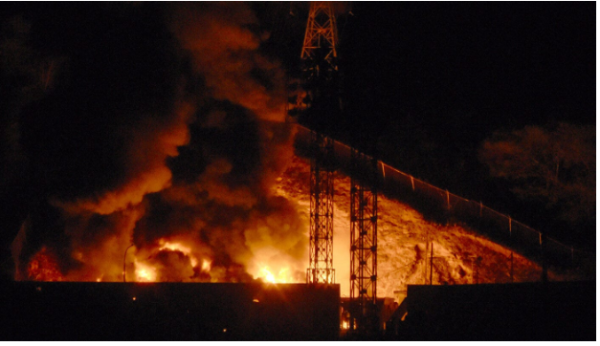
On Jan. 3rd, around 2:00 am local time, explosions erupted at the capital. This early wake up call announced the start of “Operation Absolute Resolve.”
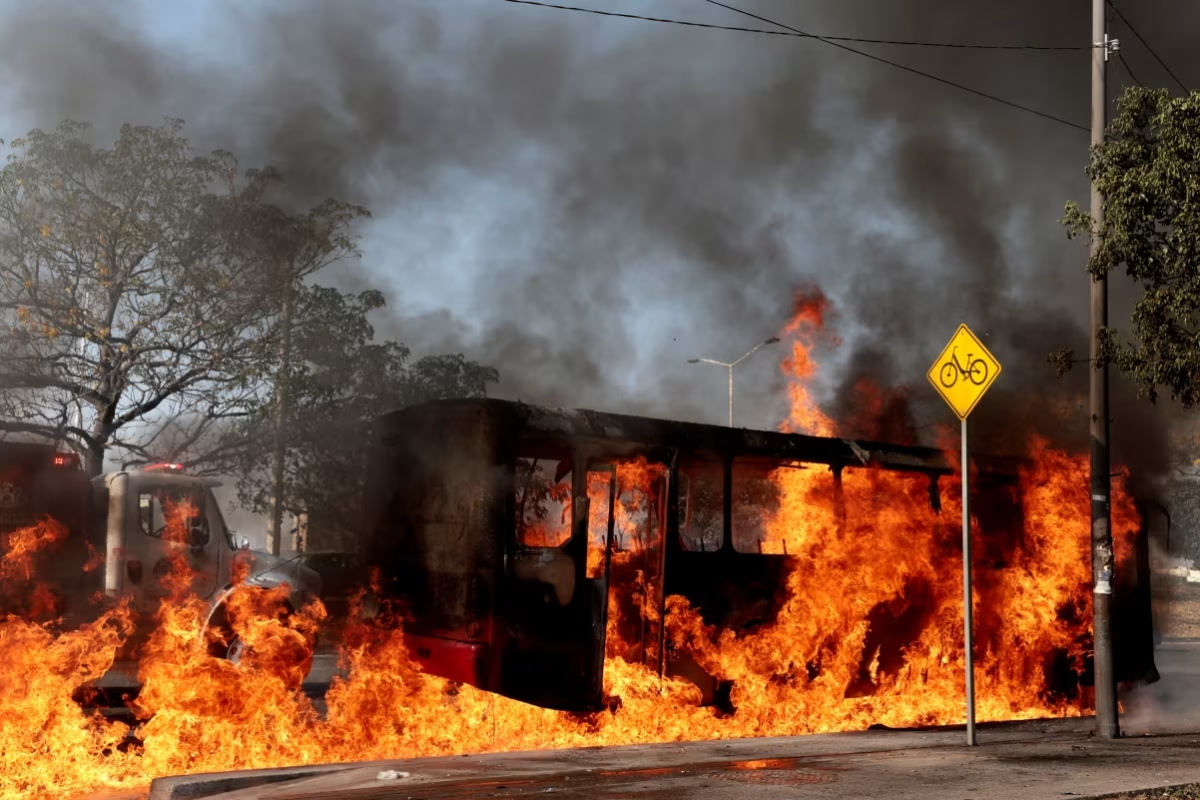
In efforts to overwhelm the Venezuelan military, more than 150 U.S. aircraft swarmed Caracas. By bombing infrastructure and creating blackouts across the capital, the military created diversions and cleared paths for special operation helicopters that suppressed the Venezuelan air defense, transported the Delta Force Assault team to Maduro’s residence, and took him and his wife back to New York City. Maduro and Flores are currently in custody in the Metropolitan Detention Center, New York. They are awaiting their next court appearance on Mar. 17, 2025 for a major discovery exchange. They are facing trial for allegedly working with Cartel de los Soles, cocaine importation conspiracy, and possession of machine guns and destructive devices related to their trafficking activities, to which they all pleaded not guilty
At a Jan. 3 press conference, Donald Trump said that the U.S. would “run the country until such time as we can do a safe, proper and judicious transition.” While some Venezuelans are celebrating their president’s capture, others have taken to the streets in protest.
Trump justifies “Operation Absolute Resolve” as an act to stop narco-terrorism and the drug trade. However, many questioned whether the real motives behind these military operations have been to obtain Venezuelan oil.
Officials in the UN, the U.S., as well as international law experts, have said that the operation violated the UN Charter and Venezuela’s sovereignty. Others have criticized the U.S. for imperial aggression.
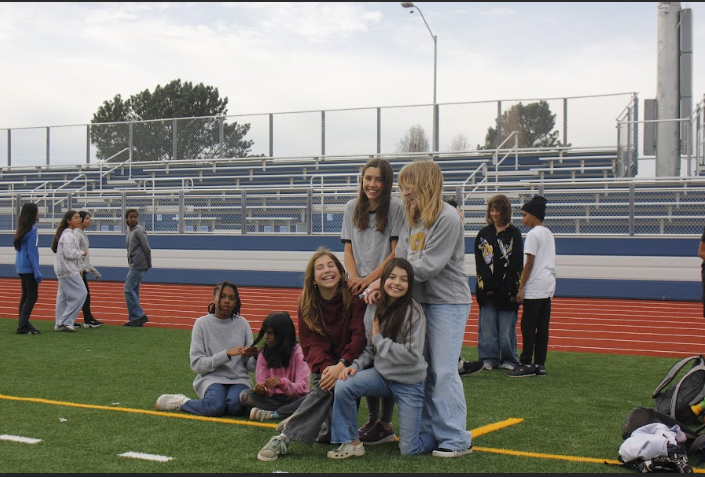
In a recent poll, 45.3% of Encinal students did not approve of Maduro’s capture, while 32.8% were not sure, and 21.9% approved of this military action.
Senior Matan Antebei thought that the U.S. government’s actions around Venezuela in the past six months had been thoughtless and uncontrolled, and worried its effects could be detrimental for the future of U.S. foreign relations.
“I think it’s terrible. It’s clearly unconstitutional. And our Constitution is one of the strongest in the world,” said Antebei. “Just blatantly going against that is unseen before. It’s a really bad look for the U.S. on the world stage. I think it’s gonna have a lot of effects in the future on trade with the U.S., [foreign] relationships, and trust.”
In a different area of the issue, Sophomore Killian Howell voiced concerns for important problems facing Americans today. They don’t approve of the government’s current focus on international issues instead of domestic ones. “I think that it’s really, really important to kind of focus on the housing crisis or that people are not being able to eat as much, I think that we, as a nation, should stop focusing more on other countries.”
This perspective reflects broader national concerns, though it remains to be seen whether such views will influence the Trump Administration’s approach to Venezuela in the future.