

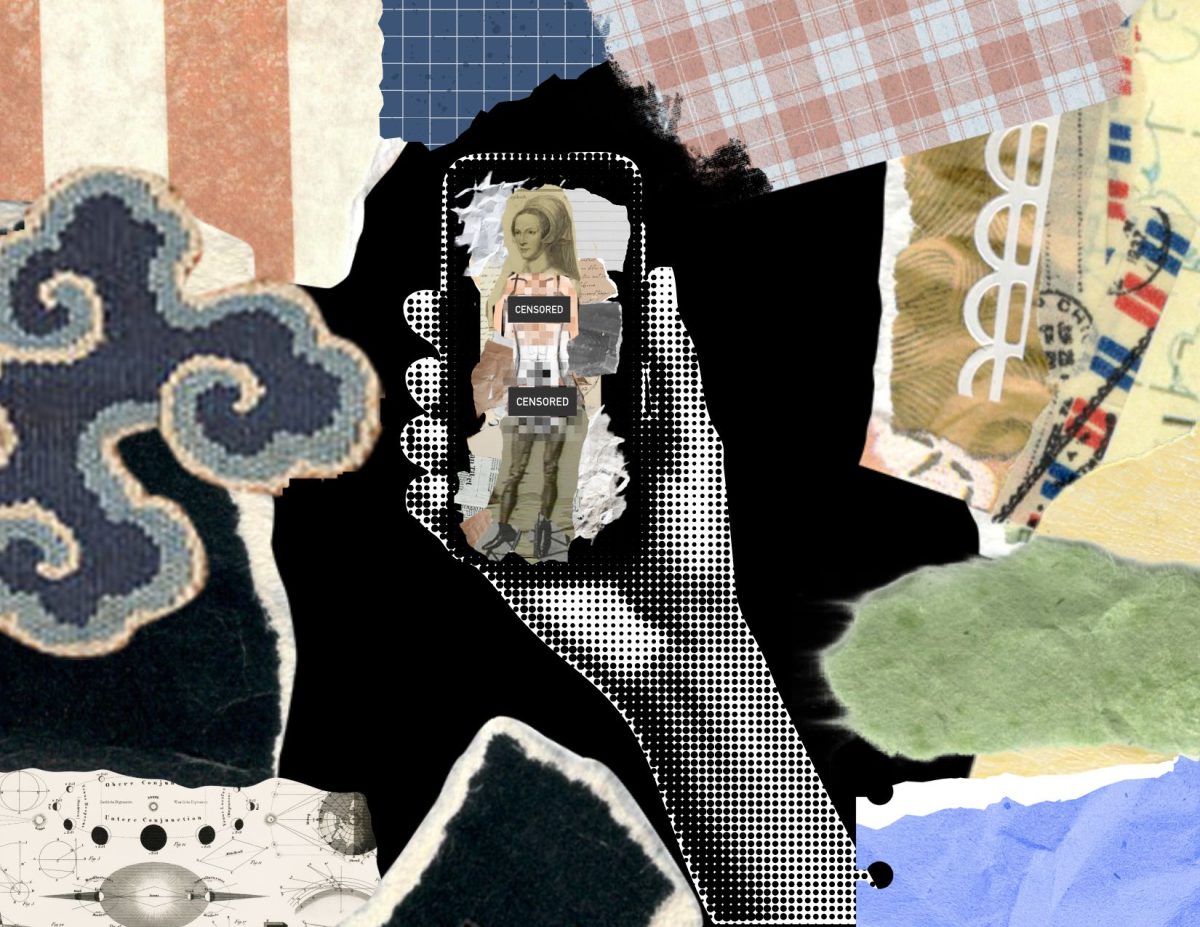







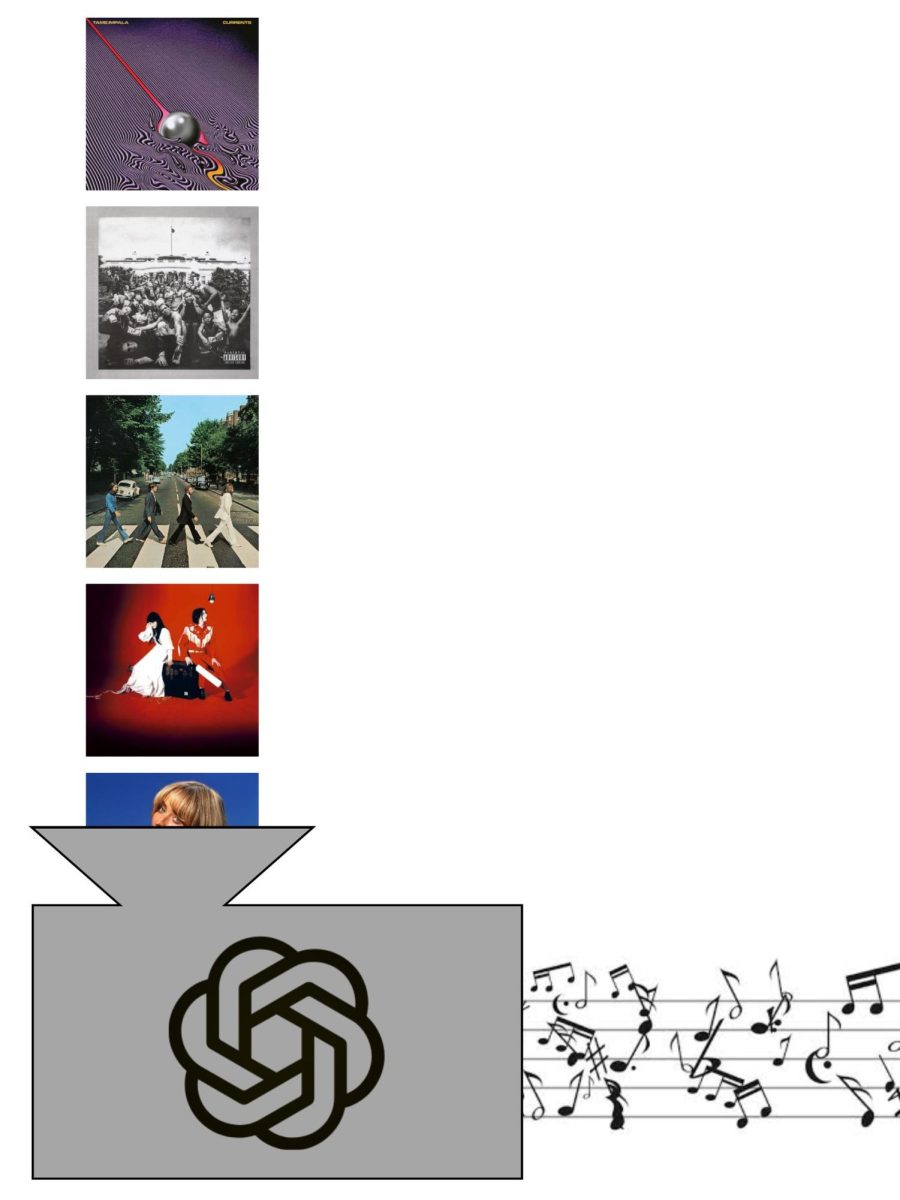









When people describe “AI slop,” you might picture low-quality AI-generated junk clogging your feed. You aren’t wrong. Short-form platforms are filled with it: meaningless, repetitive and designed to keep you watching for as long as possible. Some people see it as harmless fun, some people find it annoying. Either way, it’s changing how people consume information, how easily they can be manipulated and how low the bar for content creation and making money online has fallen.
“AI slop” can be defined as low-quality, AI generated material posted to social media with little to no human input. It has become increasingly present on short-form platforms such as YouTube, TikTok and Instagram. A 2025 report from Kapwing found that 33% of the first 500 YouTube shorts the algorithm shows users on a new feed is AI slop.
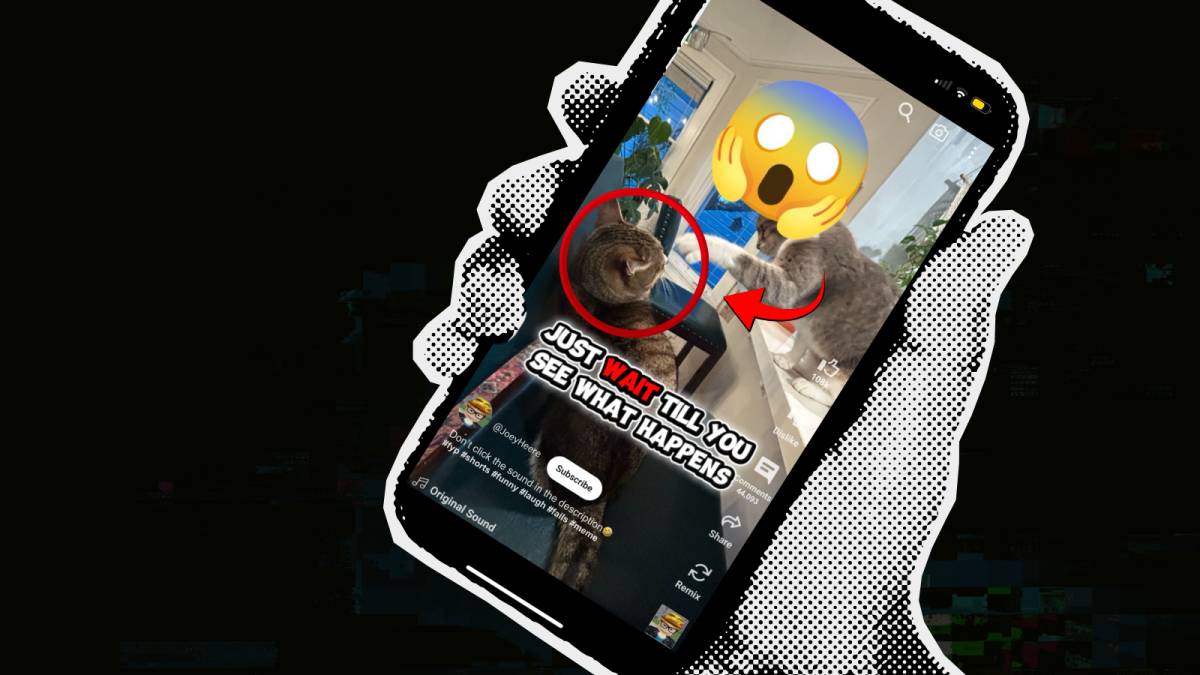
This form of AI uses a specific marketing technique: a random video clip plays while an AI-generated voice narrates a simple, no-context story that builds toward a dramatic twist that often hardly delivers. The editing is over-the-top and overstimulating, the captions are auto-generated and the scripts and voices are obviously AI generated. Despite how low-quality these videos are, accounts posting them gain hundreds of thousands of followers and millions of views because creators often target children with shorter attention spans or users who don’t yet recognize how manipulative or meaningless the content is. Because those users are more likely to watch AI slop all the way through, the algorithm thinks it’s “high‑quality content” and pushes the content even harder.
“I see some realistic [AI slop], a lot of weird nonsense ones,” said freshman Miles Stiling. “I think it’s bad because it takes away the originality from content and content creators on the sites.”
The high amounts of views AI slop can gain is easily profitable on platforms like YouTube. According to TubeBuddy, YouTube pays roughly $30-$100 per million views on monetized Shorts without licensed music, assuming the creator meets the requirements for the YouTube Partner Program (1,000 subscribers and ten million Shorts views in 90 days). Since AI‑slop channels are constantly pulling in hundreds of millions of views, creators are earning significant amounts with minimum effort.
“I think it’s obvious they don’t deserve [the money],” said sophomore Krista Hermosa. “It’s disappointing that creativity doesn’t matter now, since they’re putting in so little effort to make their videos.”
This type of AI slop is problematic partly because of how normalized it is. It preys on the laziest parts of our brains, rewarding us with quick dopamine hits instead of encouraging any curiosity or critical thinking. Over time, this kind of content gets users—especially younger ones—used to constant stimulation and zero substance, making it harder for them to engage with real stories, real information or real creativity. A 2025 study published in the National Library of Medicine found that children who regularly consume short‑form video content show significantly higher inattentive symptoms. For children regularly consuming AI slop, that kind of overstimulation can lead to a sense of detachment from real-life experiences or a diminished appreciation for genuine human creativity and storytelling.