


























The average price of a gallon of gas in the East Bay has reached $5.70, differing from just $4.45 a month ago. At some gas stations, prices have crossed $7. Gas prices across the globe have surged as a result of the Iranian conflict, which is disrupting the global oil supply. The Alameda community is feeling the strain and with no clear end in sight, many are left wondering: how will this conflict continue to affect our economy?
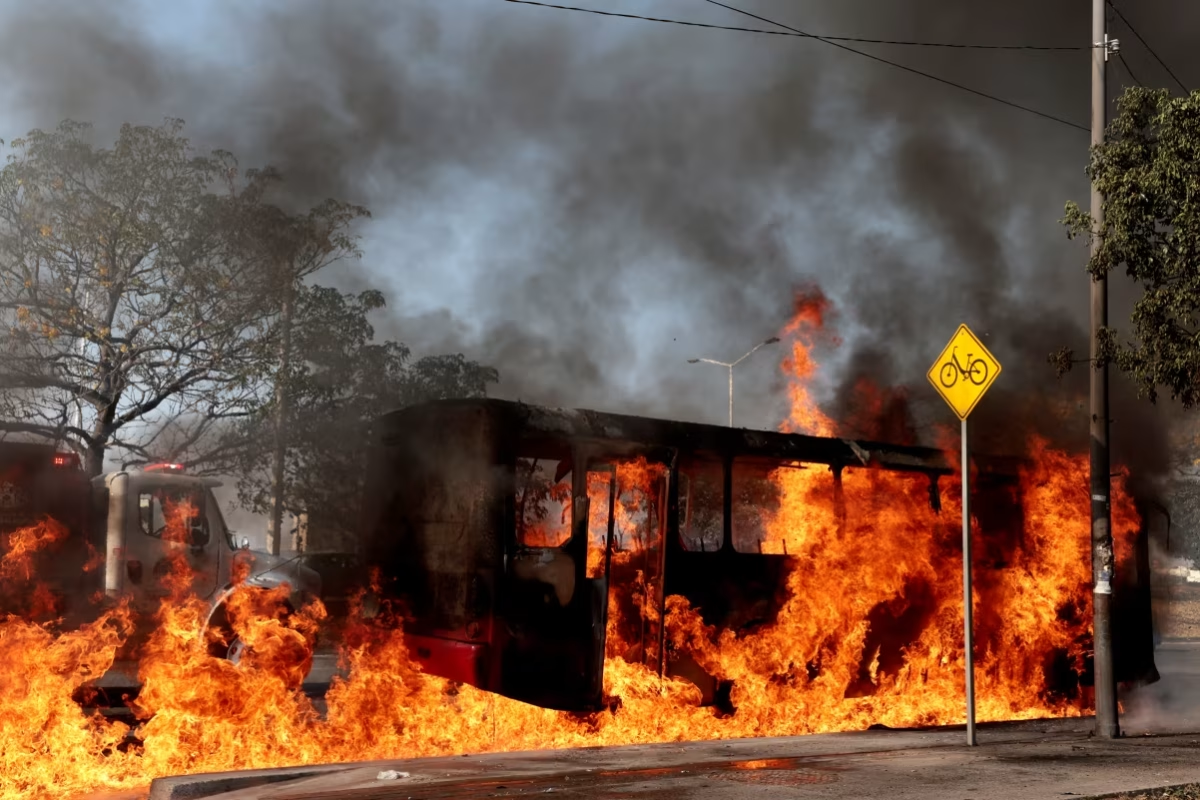
Iran has restricted vessel passage in the Strait of Hormuz, a waterway in the Persian Gulf and the world’s most critical oil checkpoint. In retaliation for U.S. military operations, the nation has threatened to “set ablaze” any ships that use the trade route.
Around 20 million barrels of crude oil a day are now unable to safely pass. In response, many major Middle Eastern suppliers are limiting their oil production, disrupting the global energy market.
Encinal students are feeling the impact, as many upperclassmen rely on their cars to commute to school, social events or work.
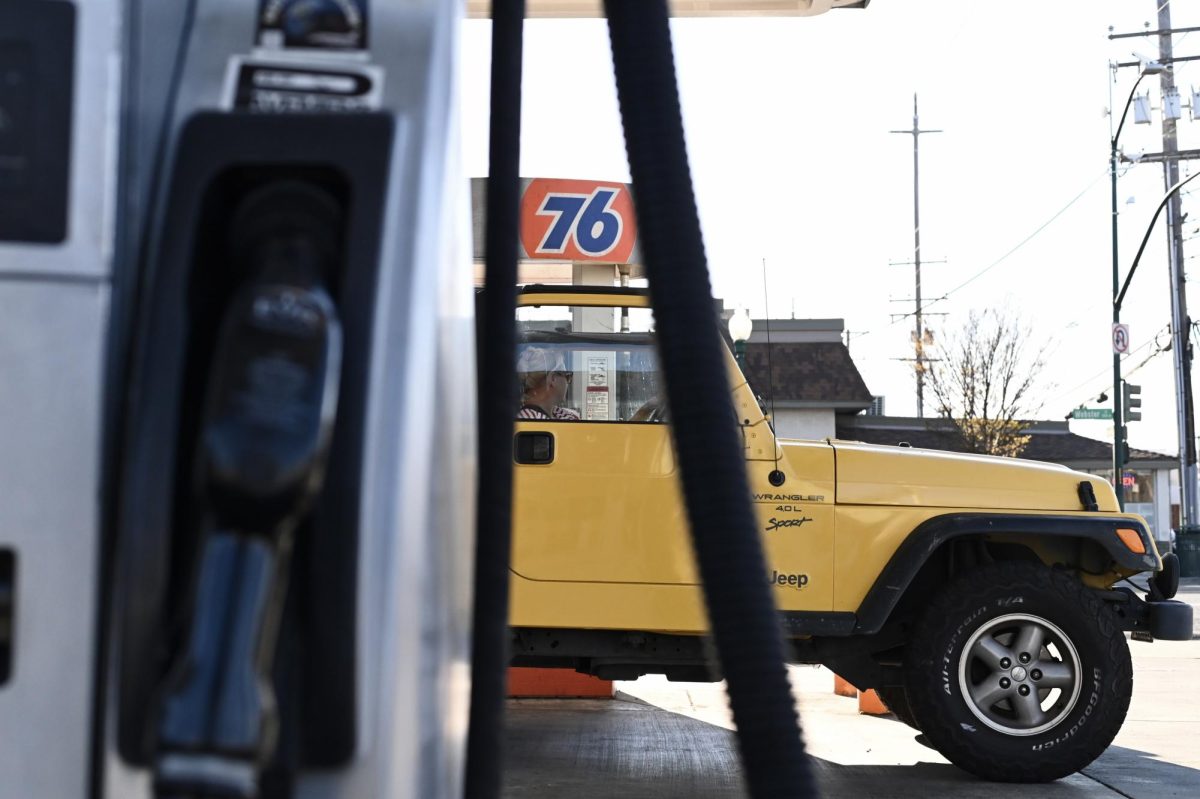
Senior Enrique Santana drives a Jeep Wrangler, a car known for its fuel-inefficiency, and owns a small re-sale clothing business that requires him to drive to Sacramento to source his products, making gas prices a significant source of his spending. As gas prices climb, more of Santana’s profit that would otherwise be reinvested into his business, has to go towards fuel.
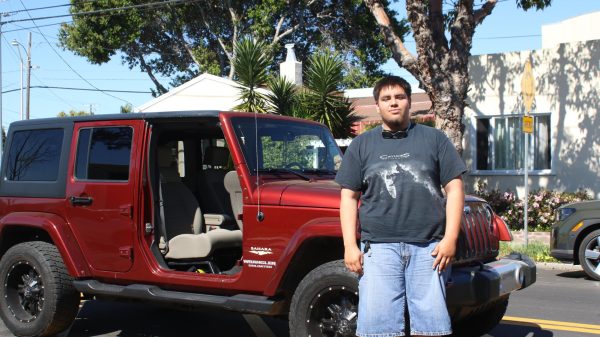
“I would be putting it towards trying to get [my business] better, trying to get better hangers, trying to see where I could actually set up my shop. Maybe I could buy a storage unit,” Santana said. “But since gas prices have gone up, I have to put more money aside for that.”
Like Santana, many Encinal students pay for gas from their own pocket. Due to the increasing financial strain, some students are unable to fill up their tank and are forced to limit their driving.
Between mid-March and late February, gas prices have risen by 17%, “the second-largest four-week increase in at least 30 years,” according to the New York Times.
Matthew Caniglia, an Economics teacher at Encinal, isn’t surprised by the heights reached by gas prices thus far.
“20% of the world’s energy goes through the Strait of Hormuz, which Iran controls, so they’re able to limit the supply of energy leaving that region, which is gonna affect the overall price of gas even if the United States doesn’t get most of our gas from the Middle East,” said Caniglia.
Caniglia also speaks to the long term impacts of the conflict, stating, “There’s too much damage that’s been done to the energy infrastructure, so energy prices, oil and natural gas are not likely to decrease for a while.”
When the conflict comes to a halt, prices may not return to pre-conflict rates for several weeks to a few months due to damaged oil infrastructure and disruptions in Saint Hamza.
According to an Alameda gas station employee, some customers have expressed extreme frustration over the increasing prices.
“Some of the customers do blame us… They just come and say whatever they feel.” said the local gas station employee. “The only thing I can say [to that], is that I’m not the one who controls the prices.”
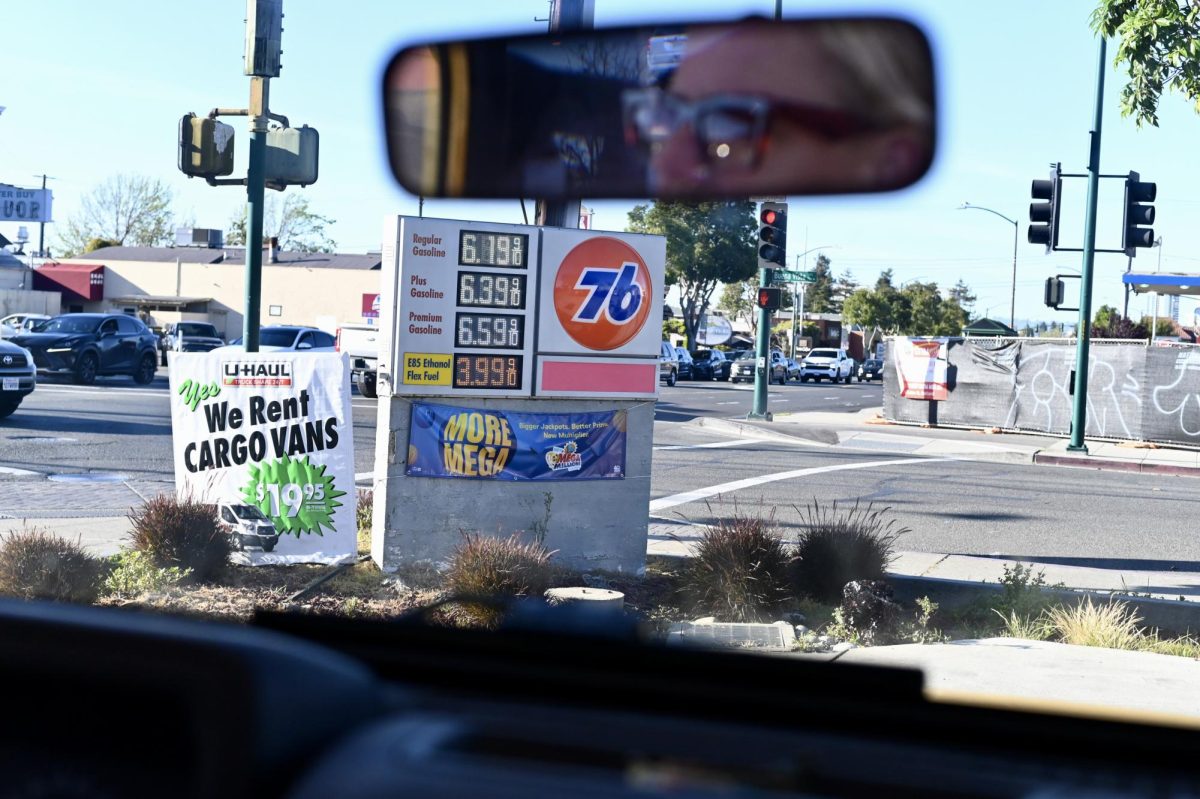
The employee highlights that he is not responsible for the increasing prices, and that the company must respond to the market’s changes.
“I’m just one of the pawns like you guys. I’m also paying my taxes. I’m also working and paying my bills. And I, too, am affected by this and I’m… disappointed with what’s going on. But there’s nothing really we [employees] can do.”
When President Trump originally announced the start of the conflict, he claimed that military operations would last a week. Later, on March 2, he claimed the conflict would continue for four to five weeks, but has “the capability to go far longer.”
As this conflict persists, the citizens of America will continue to face a financial burden.