

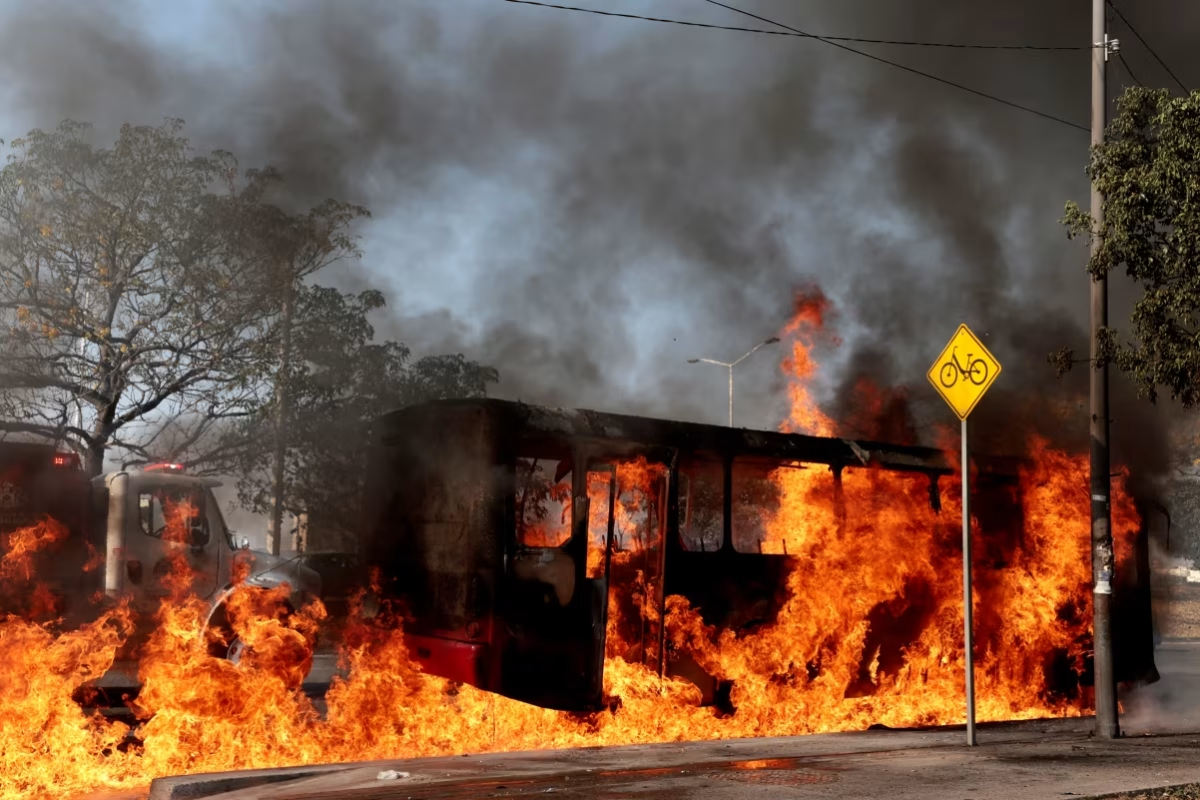


























On Feb. 22 this year, Nemesio Rubén Oseguera Cervantes, or “El Mencho,” head of the Jalisco New Generation Cartel, was killed by Mexican forces, sparking mass cartel violence concentrated in the Mexican state of Jalisco, but present across the country. This violence has even reached tourist hubs, such as Puerto Vallarta and Guadalajara, that usually go unaffected by cartel activity.
This wave of violence led to 25 national guard deaths in six separate attacks on security forces following the operation, as well as forcing tourists to shelter in place as events subsided.
Chaos resulting from a cartel leader’s capture or death is not unique in Mexico, with similar periods of public violence following the capture of Ismael Zambata, a former Mexican drug lord, and Joaquin Guzman Lopez, son of El Chapo, by U.S. authorities in 2024.
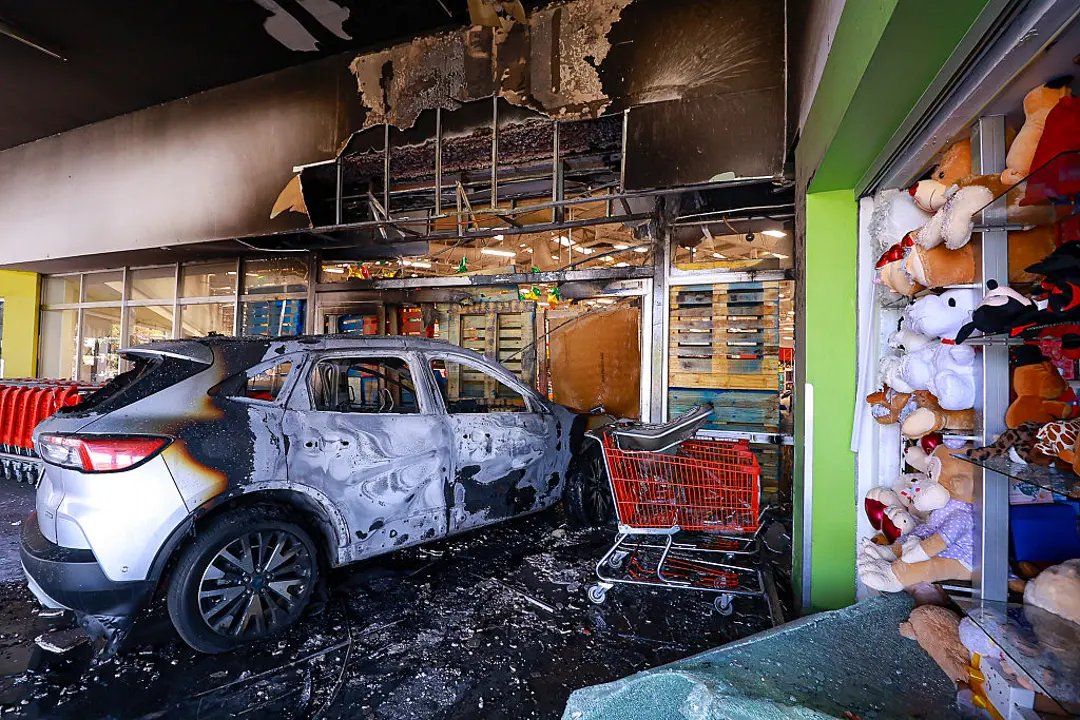
This pattern goes back to the beginning of former Mexican president Felipe Calderón’s war on drugs, with violent power struggles between cartels and the government, and retaliation towards security forces, such as the killing of Arturo Beltrán Leyva in 2009 by Mexican soldiers. This caused massive infighting in the Beltrán Leyva Cartel.
While Mexican and U.S. governments have been working against drug cartels by targeting their leadership, deaths from opioid use disorder in the U.S. has risen from 2.9 per 100,000 in 1999, to 20.3 in 2022.
At the end of the 1990s, Portugal was in a similar situation to the U.S. In 1999, Portugal had one of the highest overdose death rates in the EU, with 367 deaths out of the population of just over 10,000,000, and an estimated 100,000 people were addicted to hard drugs.
With Lisbon recognized as the heroin capital of Europe, Portuguese lawmakers knew something had to be done. In 2001, a law decriminalizing drug possession in Portugal came into effect, waiving punishment for those possessing up to 10 days supply of illicit substances, while authorities would still seize the drugs.
The law also required the Commission for the Dissuasion of Drug Addiction be formed to help the abuser recover including a state appointed lawyer, a social worker, and a third member with expertise around drug addiction (usually a psychiatrist or doctor), should they choose to meet with the group. About 90% of those referred showed up to at least one session. This law aided vulnerable addicts and gave them opportunities to reintegrate into society, while still holding dealers accountable.
This method of dealing with drug abuse, and by extension drug trafficking, was highly effective, bringing Portugal’s yearly opioid use disorder deaths down to 0.77 per 100,000 in 2022, which is far below Europe and Central Asia’s average of 2, and the United States’ of 20.3.
If the U.S. government was to adopt this strategy to fight drug trafficking, it could decrease violence in nearby countries such as Mexico, where narco traffickers hold a large presence. If effective, the change could lower demand for illicit substances enough to loosen the hold of cartels over Central American countries. Once these criminal organizations lose money, they lose influence as well.
The importance of addressing addiction increases as fentanyl’s prevalence rises. Fentanyl is commonly mixed with less potent substances to increase addictiveness. In 2020, synthetic opioids (mostly fentanyl) accounted for over 83% of all opioid overdose deaths in the U.S.
Many argue that if the U.S. government truly wants to improve the drug problem, both domestically and abroad, our politicians need to shift their strategy from fighting drugs to fighting addiction.
Ismael Zambata himself recognized that if he were to die or be captured, it would not meaningfully hurt his business. “Millions of people are wrapped up in the narco problem,” Zambada said in a rare 2010 interview. “How can they be overcome? For all the bosses jailed, dead or extradited, their replacements are already here.”