
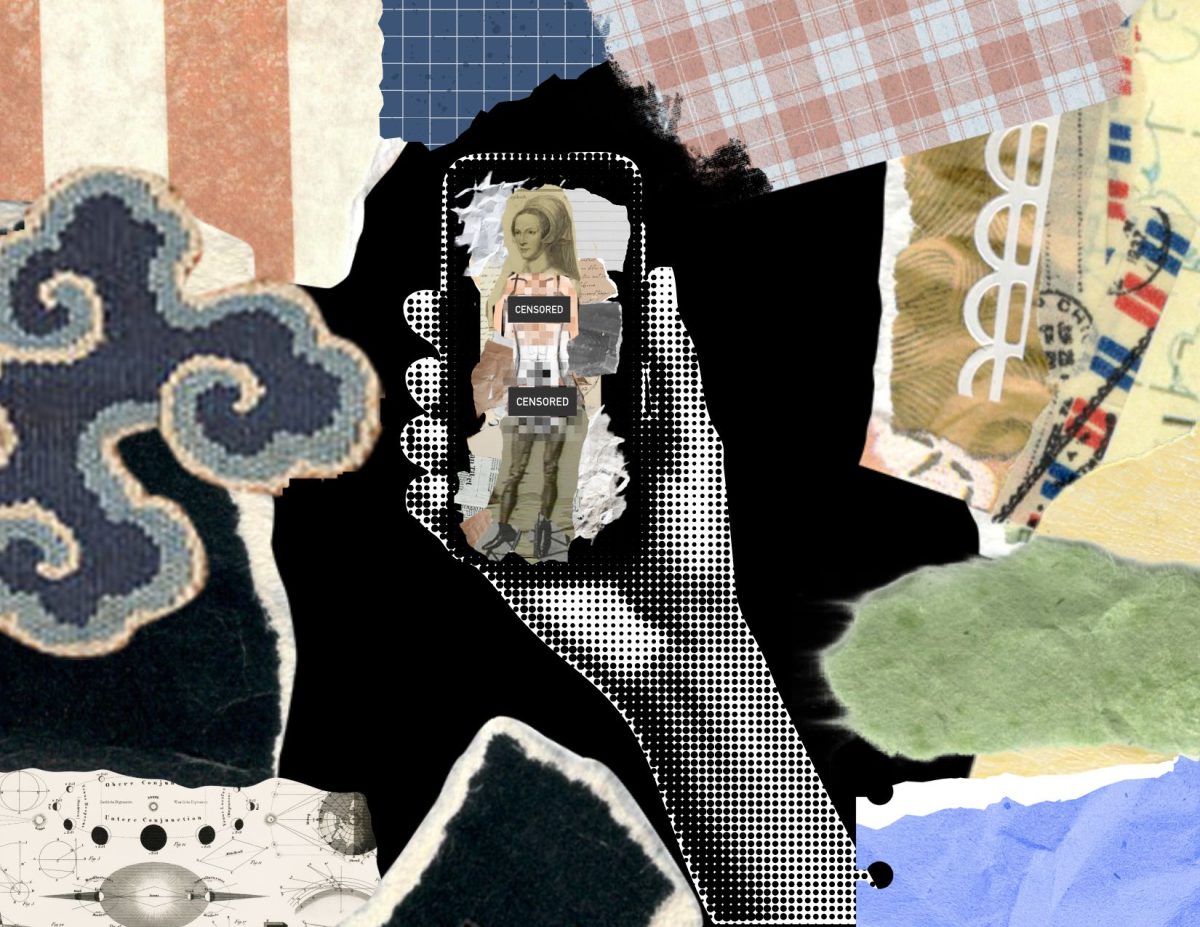









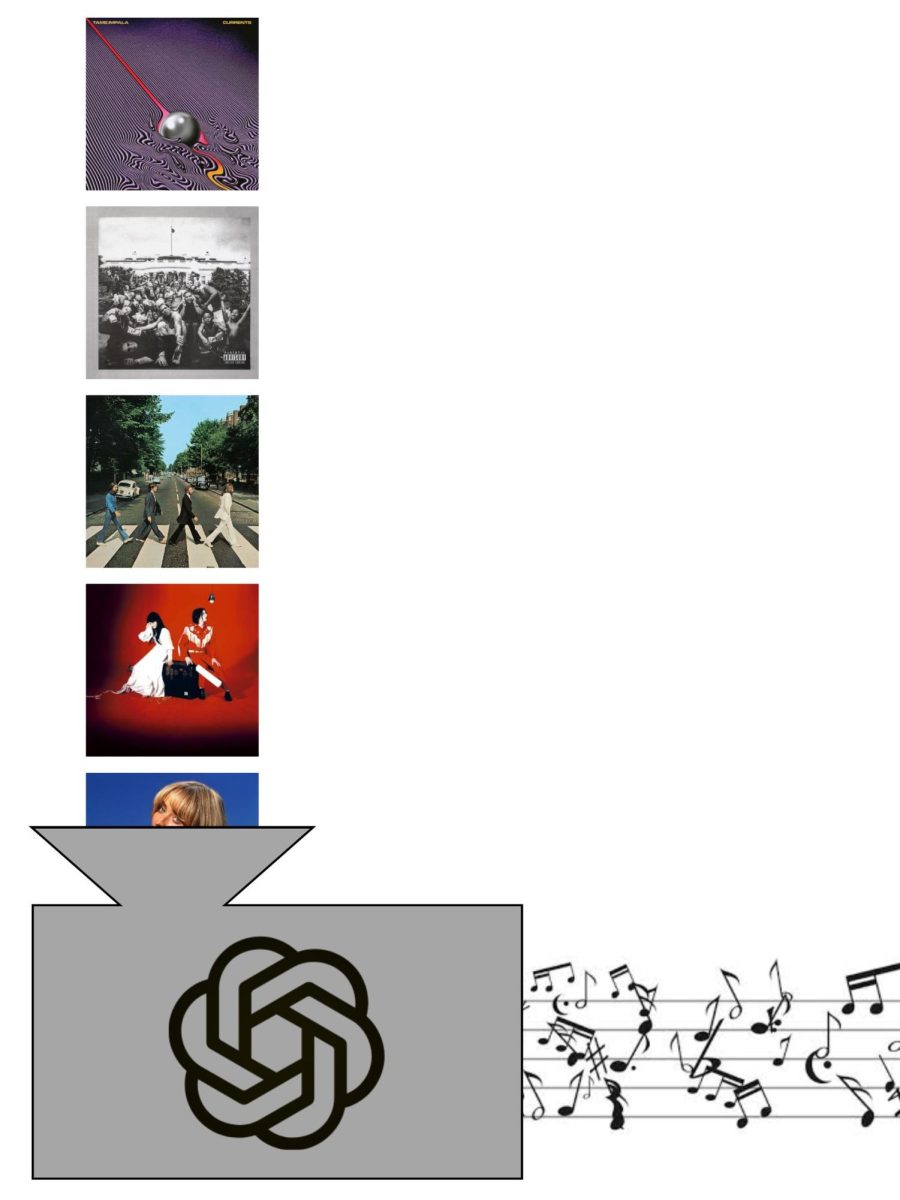
Recently, music generated solely by AI has been coming into the mainstream, with AI “artists” such as Xania Monet and Breaking Rust appearing on the Billboard charts. This raises many ethical and legal questions, as well as questions about where the music industry will go from here.
We are in the streaming era, where single and album sales are overshadowed by online streams. Music being based online gives opportunities to people who would not have a chance to display their art to the world otherwise. This accessibility is usually a good thing, but it does give people the ability to use shortcuts like generative AI and succeed without putting in the necessary work.
Many hold the opinion that listening to music generated by AI has no greater impact, but this stance can be flawed. Even though it seems harmless, whether the average person chooses to accept or reject AI music could determine the future of the art.
Giving AI an audience could damage mainstream music permanently. If AI begins to outpace real artists commercially, it will tell music corporations that they can drop their artists with lower streams in favor of AI, and eventually phase out signing artists that pose any risk of performing worse than their unpaid music generator.
AI music in the mainstream also discredits real artists who work hard on their craft. Even a small number of baseless accusations of undisclosed AI use can snowball into a huge controversy, severely damaging a legitimate career. This was exemplified when K-pop Demon Hunters songwriters were accused of utilizing AI in the creation of the soundtrack.
Even the legality of for-profit AI use is disputed. AI is trained on human-made writing, videos, and music from the internet, almost none of which AI companies have gotten permission to use. This means that AI can not create anything unique, only copy and blend the work of others. Many have taken legal action, but no major laws have changed in the U.S.
Some AI musicians, like Sienna Rose, a more recent viral AI artist, try to hide the fact that their music and persona are fully AI-generated. Rose’s Instagram previously had countless recognizably AI videos before her popularity exploded with two Spotify top 50 songs, which were then all deleted and replaced with more realistic AI selfies.
Knowing that some accounts will try to hide the fact that their music is AI, it is important to know how to recognize computer-generated songs. Many songs will be extremely repetitive while lacking an emotional climax. AI vocals also struggle with plosive sounds, like a hard “p” or “t,” and holding long notes, often sounding too flat. Separately from the music itself, you can look into the artist’s background, such as their social media, and see if they do live shows.
AI will become more advanced as time goes on, so it will become harder to recognize and avoid AI music. It is crucial that we keep away from it before it becomes the norm.