










People are naturally drawn to patterns, personal connections, and complex feelings. This is one of the reasons why there are so many people interested in pursuing art. With the art community being so massive: social media platforms help encourage artists through tutorials, films, challenges, collabs, and especially engagement with viewers and other artists. But to build that engagement, you first have to know what to do. That’s one of the first few steps that someone needs to get involved with this large community. Furthermore, getting into art means learning the skills to do it. While improving through practice seems easy, there are so many more factors that contribute to someone making and enjoying art.
When starting from the beginning, some people may want to splash right into the hardest techniques and draw something from their imagination, hoping it’ll be as accurate as what they pictured it would look like. But it’s not as easy as it looks when compared to what you see online. Just by picking up a pencil, you’re already making great progress.
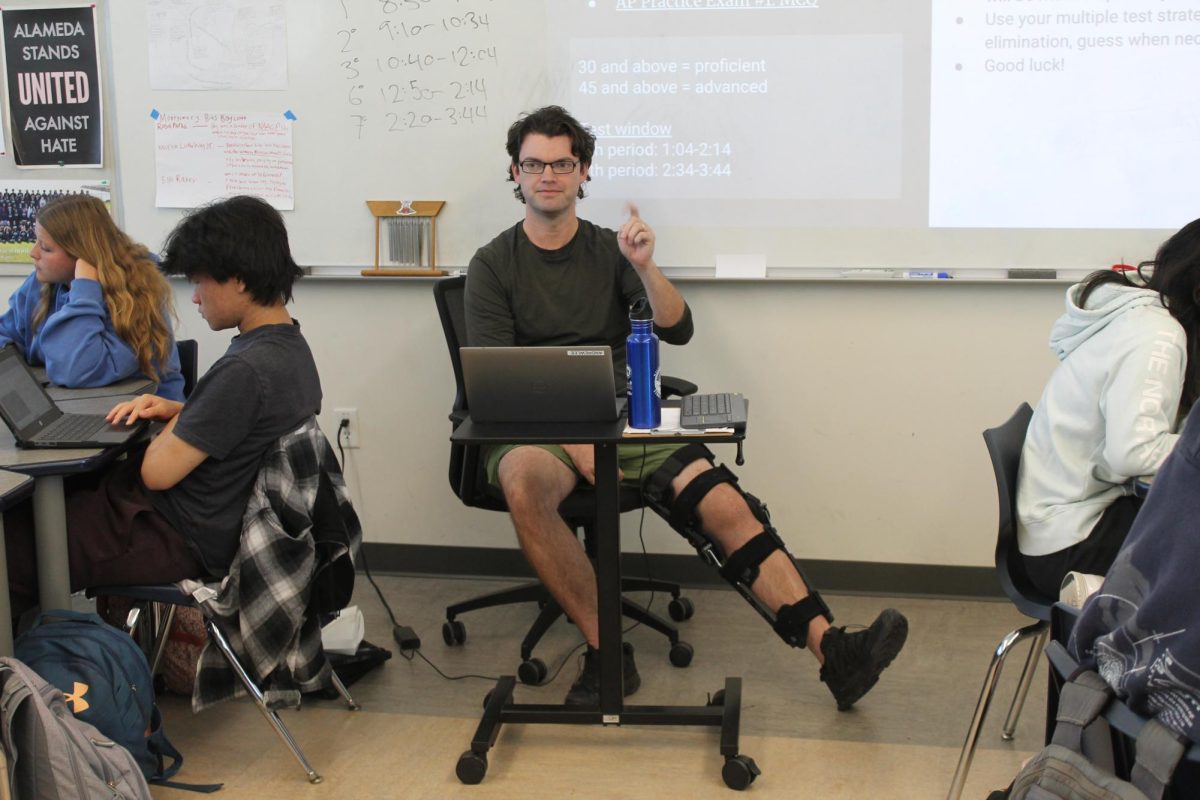
“A lot of it has to be willing to just do it and willing to like make a lot of bad drawings or drawings you’re not super happy with, cause that’s the only way to progress,” said Ms. Egget, Encinal Jr. Sr. High School’s visual art teacher.
By combining a few pieces of advice, you get the full context of being willing to draw what you enjoy as frequently as you can to improve. This type of advice can lead from drawings of your favorite subject not fitting your expectations, to drawing so much of what you love that you start to see your own improvements. “Just do that until you get into that really good habit of like always improving your skills.” With the broad topic of art, this article will only cover tutorials and tips for two types. Those two main types are traditional and digital art. While both types are similar to each other, they have their own distinct traits and techniques. Traditional art uses materials that include paint, charcoal, and clay, applying them in traditional methods that have been passed down through generations. This type of art gives artists more understanding of the various physical tools they are able to use. Digital art is created through technology, where artists use software and apps on computers and/or tablets. With such a wide range of tools, artists are able to be more flexible with their pieces. And with flexibility, it’s easier to sell art online.
General advice
- Ms. Egget said “Pick something you want to enjoy drawing. It shouldn’t just be like fundamentals in the beginning. It shouldn’t just be painful”
- Make a schedule of which days and how much time to draw instead of burning yourself out by drawing for hours everyday
- You don’t need any expensive and/or fancy sets of art supplies and technology
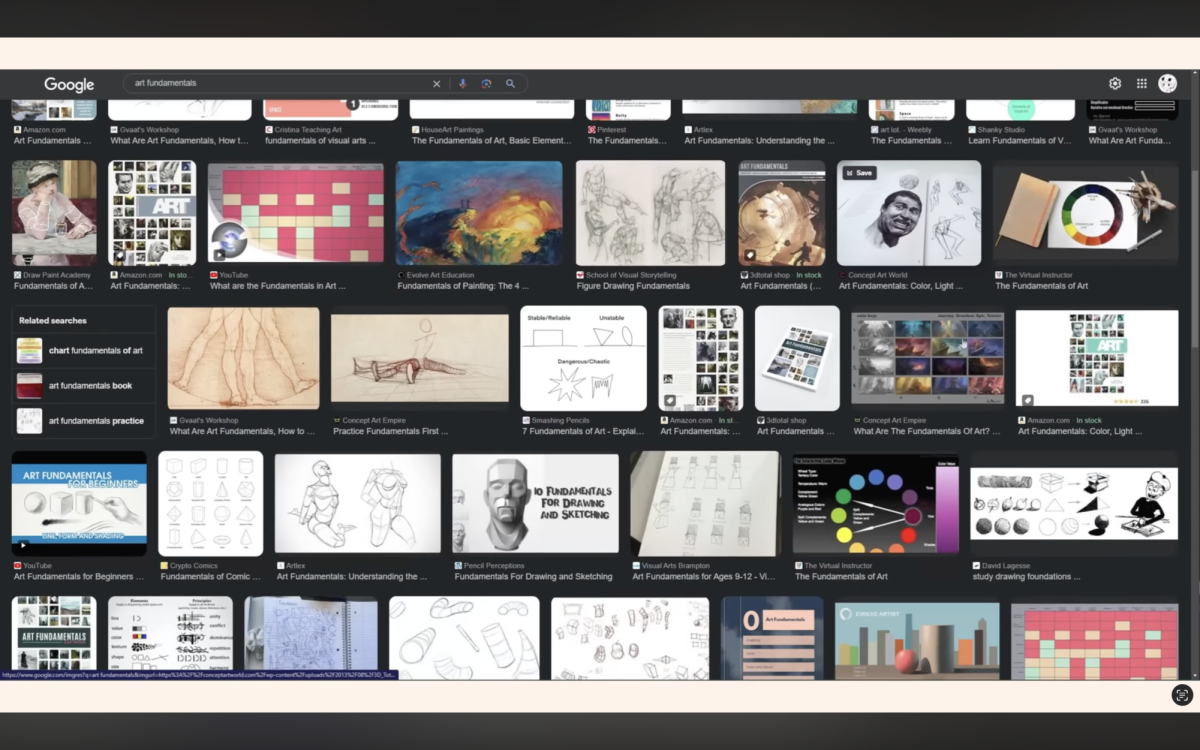
- Or learn about some different ways to make your piece look like it was made with those tools (this is where fundamentals often come into play)
- Let your artstyle find you, don’t overthink
- Another common method is applying the different aspects of your favorite artists’ pieces to your own
- Practices aren’t perfect
- Instead of wasting your time focusing on one detail, focus on the whole image
- Draw what you’re comfortable with but try to step outside your comfort zone once in a while
- Observation is key
- Look around you, what can you see and imagine?
- Use references
- This ties with observation
- They’re very important to get what you’re drawing to look more accurate or like how you picture
- If you can’t find any that fits your vision, you can collage a reference instead with multiple images
- Thumbnails can help with coming up with ideas
- Thumbnails are basically small sketches
- This helps more with layout and composition
- This helps with figuring out which idea you like best
- Take things step by step
- This is especially important in projects that needs multiple drawings
- Stick with sketching all of the drawings first, then lineart, color, etc
- You don’t have to draw every idea or everything you want to
- Unless you really feel like it
- Not all pieces will meet your expectations and/or standards, so it’s better to drop it if you’re struggling and even if you really liked the idea
- Have fun with what you draw
- You can get started at any time!
And that’s a wrap
While YouTube is a great way to learn and connect with communities of artists, there are so many other ways to support yourself through your art journey. A good website that many people recommend to learn from is Skillshare, where it teaches all sorts of subjects step by step, whether by professionals or hobbyists online. You can also reach out to other artists through social platforms, including Discord servers of any size. This is a great way to start, putting yourself out there instead of staying inside the comfort zone that can suffocate you.
The list of advice below is given by online content creators and/or is considered a little more advanced if you are just getting started. Furthermore, these videos only cover some of the iceberg, as there’s so much more techniques and ways to learn. So do your best to practice and learn before diving too deep into something you can easily get lost in.
- If You’re A Beginner Artist, WATCH THIS VIDEO
- What to study to improve your art
- The best way to learn art fundamentals – YouTube
- The Scientific Way to Improve your Art FAST! – How to Practice and Remember Efficiently
- 50 Digital Art Tips in 5 Minutes
- 100 Tips From 100 Artists
- Popular videos playlist by Winged Canvas
- does drawing this cross even help? 😵💫 #art #shorts #arttip #drawing – YouTube
- How to turn traditional art into digital art🎨🖼️ #digitalart #traditionalart #art #tutorial #tut – YouTube
- I tried traditional art… #art #draw #drawing #artist #artwork – YouTube
- i deleted ALL my art… #art #artist #draw #drawing – YouTube
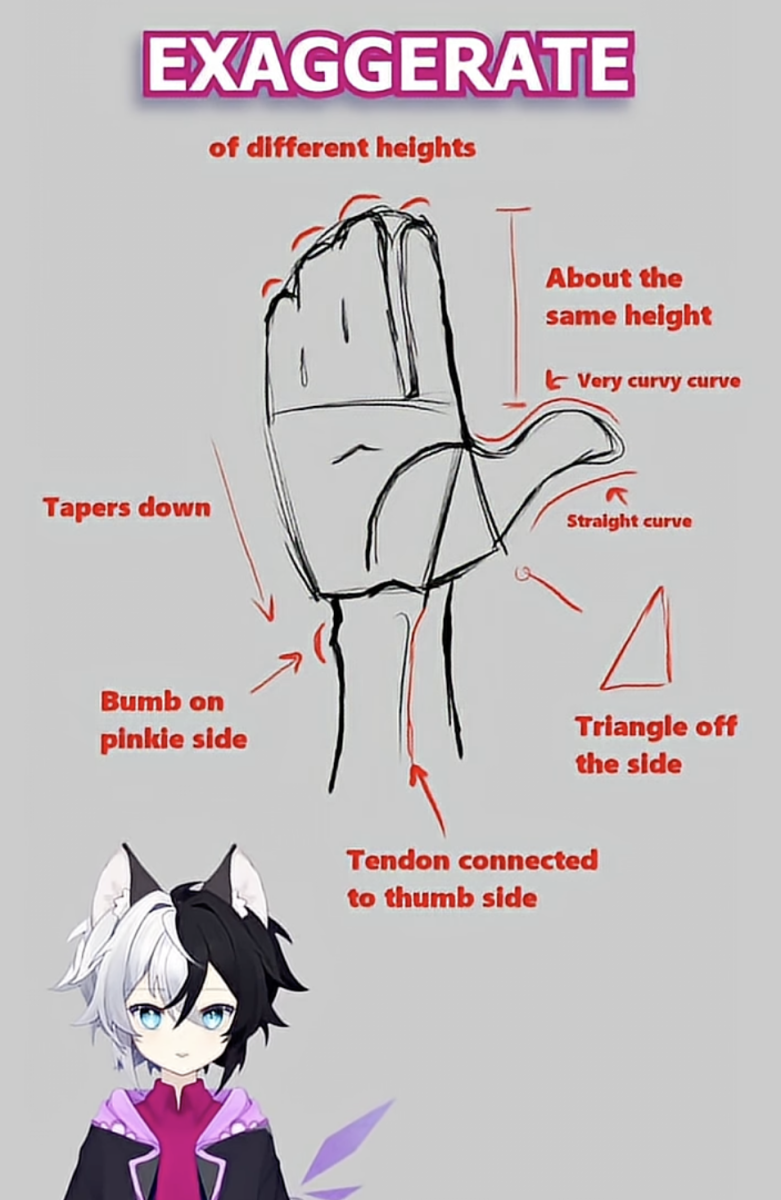
- How to draw a hand #art #arttutorial #tutorial #howtodraw – YouTube
- WHY do artists paint with GREY🧐⁉️#arttutorial #drawing #art #digitalart #sunfwer – YouTube