

























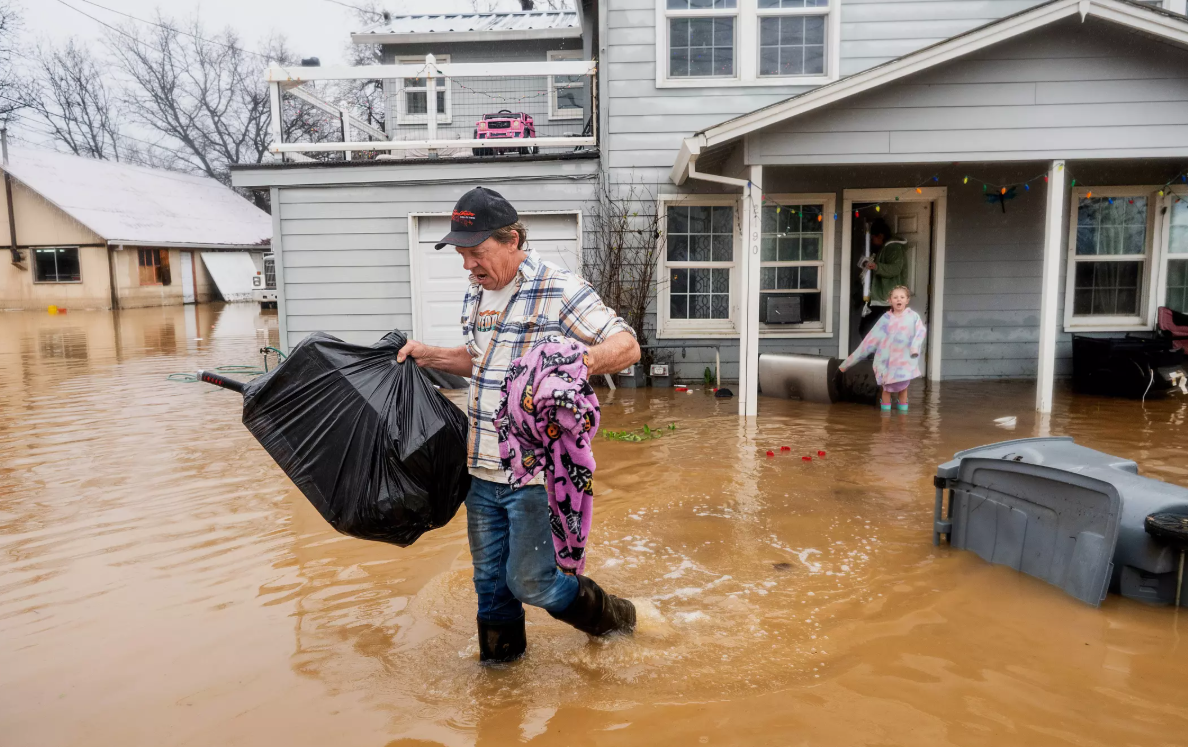
According to officials from the National Weather Service, a series of powerful atmospheric rivers battered California during the final weeks of December. This triggered widespread flooding, property damage, and mandatory evacuations across the state. The storms, which funneled major amounts of pacific moisture directly into the coast, served as an overwhelming threat to aging or outdated infrastructure and forced a mass-coordinated response from emergency services.
The Logistics of the Storm
Meteorologists identified the storm as an “atmospheric river,” defined as relatively long, narrow regions in the atmosphere — like rivers in the sky — that transport most of the water vapor outside the tropics. As these systems reached the coasts of Northern and Southern California, they delivered nonstop precipitation and high-velocity winds over several days. The intensity of the rainfall outpaced municipal drainage systems, leading to flash floods that formed in minutes and left residents little time to secure property or evacuate.
In Northern and Central California, river levels rose to record levels, prompting emergency weather watches and mandatory evacuation orders. Meanwhile, Southern California neighborhoods faced threats of street flooding. In regions recently hit by wildfires, officials kept a close watch on hillsides, as charred, unstable soil made dangerous debris flows much more likely.
Local Impacts and Infrastructure Stress
For the city of Alameda, the storm cycle presented unique challenges. Because Alameda is an island surrounded by water, it cannot simply let rain soak into the ground or flow away naturally. Instead, the city relies on a system of underground pipes and large mechanical pumps that push excess rainwater out of neighborhoods and into the bay. During the peak of the December storms and holiday period, several low-lying areas — including neighborhoods near major transit corridors like the Posey Tube — experienced significant flooding, creating hazardous driving conditions and threats to residents. For example, large pools of water formed near the busy Alameda Landing and In-N-Out, causing major slowdowns.
“Even six inches of moving water can stall a vehicle or knock an adult off their feet,” authorities warned in a public safety briefing broadcasted on the ABC7 News. Across the state, fire crews and water rescue teams responded to hundreds of calls for stranded civilians. Schools and local businesses in the hardest-hit regions were forced into temporary closures as power outages and road blockages made commutes unsafe.
Recovering After the Storm
As the weather threats moved east, the focus shifted from emergency response to damage assessment and debris removal. While the storms eventually subsided, they left a trail of destroyed property and infrastructure damage that will require months and low-billions of dollars to be repaired. In Alameda and surrounding Bay Area communities, the event highlighted the ongoing urgency of climate resilience planning and the maintenance of defenses against sea-level rise.
Local recovery efforts have included residents coordinating to clear storm drains and assist displaced neighbors. However, officials emphasize that the December flooding serves as a critical data point for future disaster preparedness. With extreme weather events becoming more frequent, the emphasis now turns to long-term strategies for managing the “unpredictable” nature of California’s winter seasons.
The U.S. Small Business Administration (SBA) is offering low interest disaster loans to California businesses and residents to help with repairs. Homeowners and renters are eligible to apply for home and personal property loans and may borrow up to $100,000 to replace or repair personal property.